

10A Ulyanova St., Nizhny Novgorod
Mon–Fri 08:30–18:00 · Sat 08:30–13:00
Contraindications may apply. A professional consultation is required.

Dr Pervushkin · Nizhny Novgorod

Everyday injuries

A fall, impact or sudden movement must first be assessed for fracture, dislocation, ligament or head injury. Manual correction before diagnosis is unsafe.

Understanding the concern

What to know before booking

Common everyday injuries include bruises, sprains, falls onto the back or coccyx, and wrist or ankle trauma. A bruise does not show injury depth, and ability to move does not always exclude fracture.

In the first hours, significant pain, swelling, deformity or head impact should be assessed in trauma care. Clinic practitioners do not reduce fresh dislocations or replace radiological diagnosis.

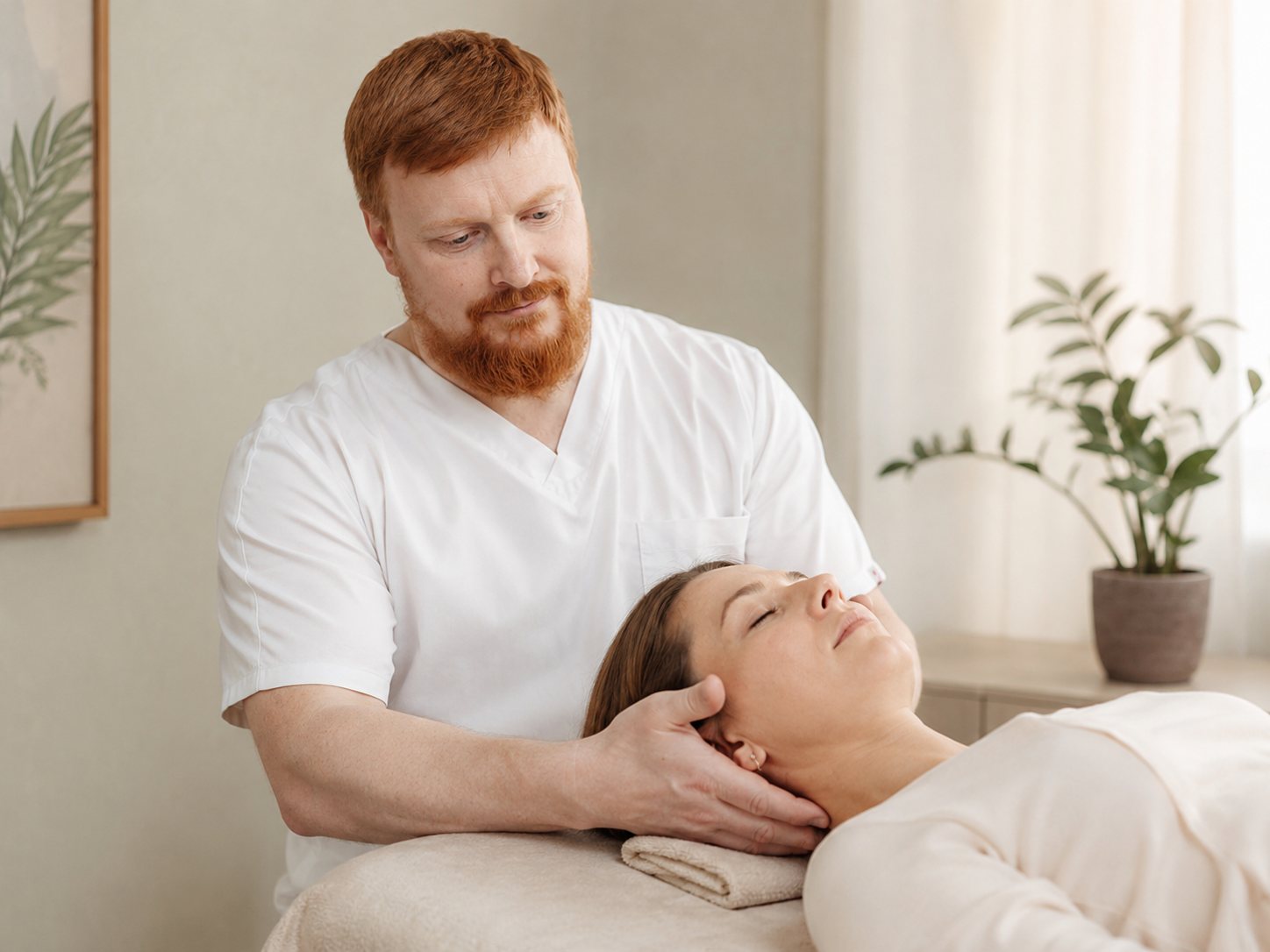
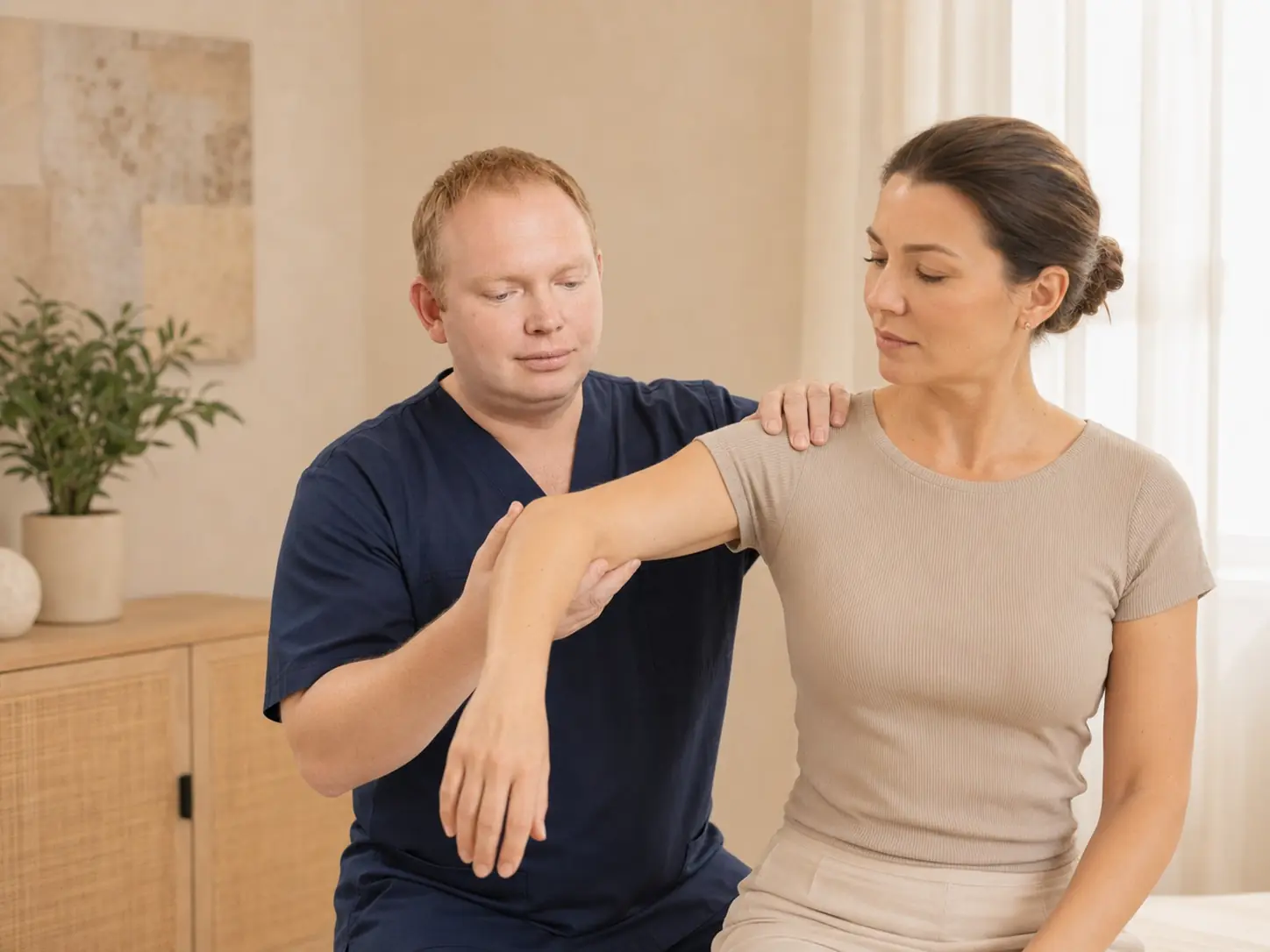
Once the acute phase is complete, residual stiffness, protective muscle tension and altered movement may be assessed. The plan complements rather than replaces trauma guidance.
Reasons to consult

Common concerns

This list helps orientation but does not establish a diagnosis or confirm an indication for osteopathic care.

  • residual stiffness after a bruise or sprain
  • protective muscle tension after a fall
  • restricted movement after immobilisation ends
  • altered gait or posture after loading is allowed
  • need for a gradual return to work and daily activity

Initial consultation

How assessment works

Assessment and next steps depend on history, existing investigations and the condition on the day.

  1. 01

    Mechanism, date and progression of swelling and pain.

  2. 02

    Review of trauma reports and imaging.

  3. 03

    Assessment of movement and adjacent areas after acute injury is excluded.

  4. 04

    A graded activity plan and signs requiring reassessment.

Team approach

Practitioners who may help

Roles are kept distinct: medical diagnosis and treatment are not replaced by wellbeing or consultation practices.

Urgent care

Do not wait for a routine visit

Seek urgent medical care or call emergency services for:

  • !deformity, severe pain, numbness or inability to use a limb
  • !loss of consciousness, vomiting or increasing drowsiness after head impact
  • !chest or abdominal pain, breathlessness or pallor after a fall

Patient questions

Key questions

How soon can I see an osteopathic physician?+

Safety depends on diagnosis, not a fixed number of days. Significant trauma needs trauma assessment first; recovery care follows exclusion of injury and loading guidance.

If bruising has gone, is it healed?+

Not necessarily. Persistent pain, swelling, restriction or weakness requires reassessment.

Can a joint be put back in place?+

Suspected dislocation requires trauma care. Self or non-medical reduction may damage vessels, nerves and bone.

Have a question?

We will help you choose the right practitioner

Call the administrator or open Telegram or MAX. Please do not send medical records through public channels.

+7 (910) 395-29-70