
10A Ulyanova St., Nizhny Novgorod
Mon–Fri 08:30–18:00 · Sat 08:30–13:00
Contraindications may apply. A professional consultation is required.

Dr Pervushkin · Nizhny Novgorod

Torticollis

Persistent head tilt or rotation is not always a muscle problem. Neurological, ocular, bony and inflammatory causes should be considered first.

Understanding the concern

What to know before booking

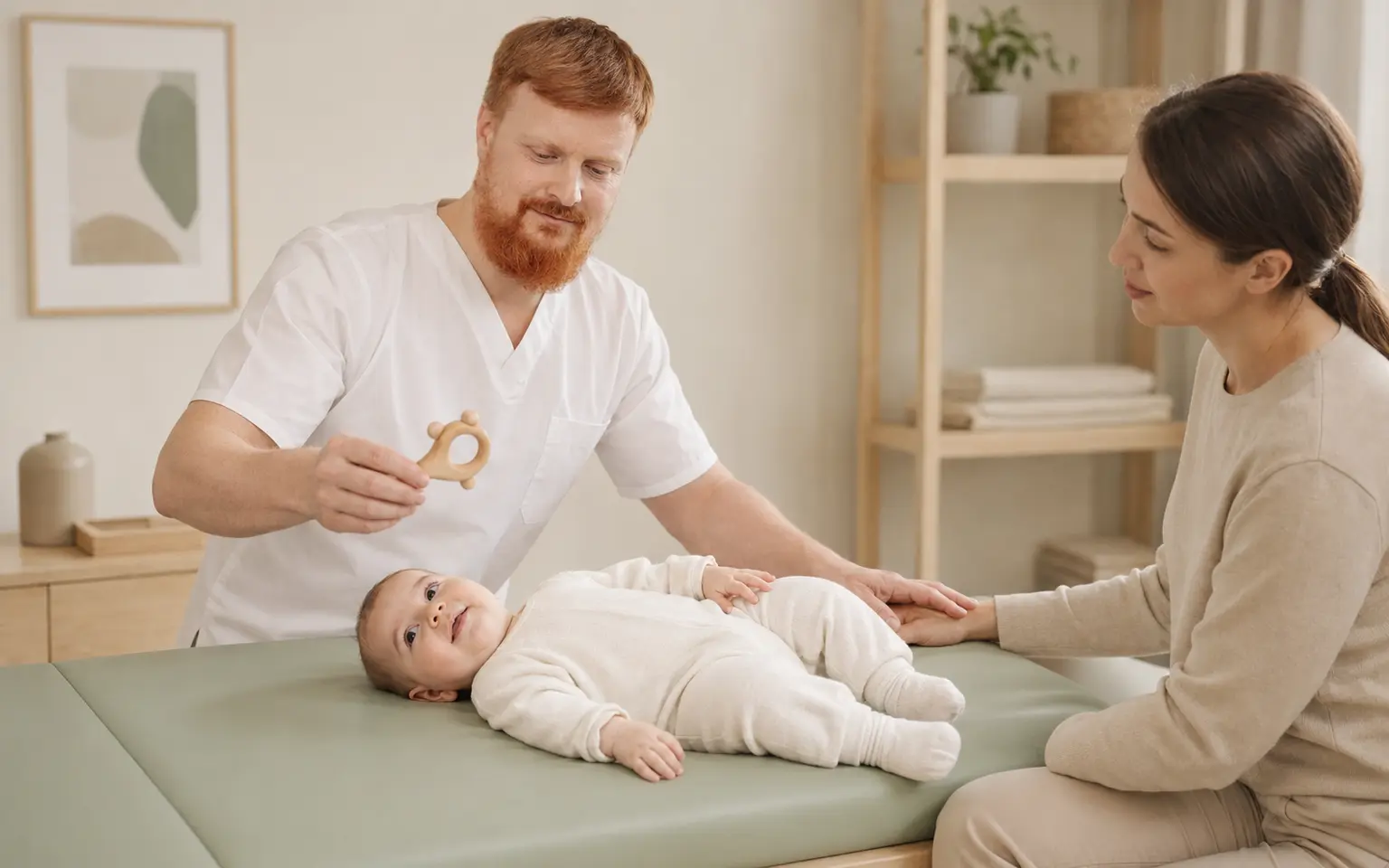
In infants, torticollis may relate to the sternocleidomastoid muscle, positioning, the cervical spine, vision or the nervous system. In adults, acute tilt may follow load but can also occur with infection, medication reaction and neurological disease.

Early paediatric assessment helps distinguish side preference from a condition requiring ultrasound, orthopaedics, neurology or ophthalmology. Forceful turning or home manipulation of the neck is unsafe.

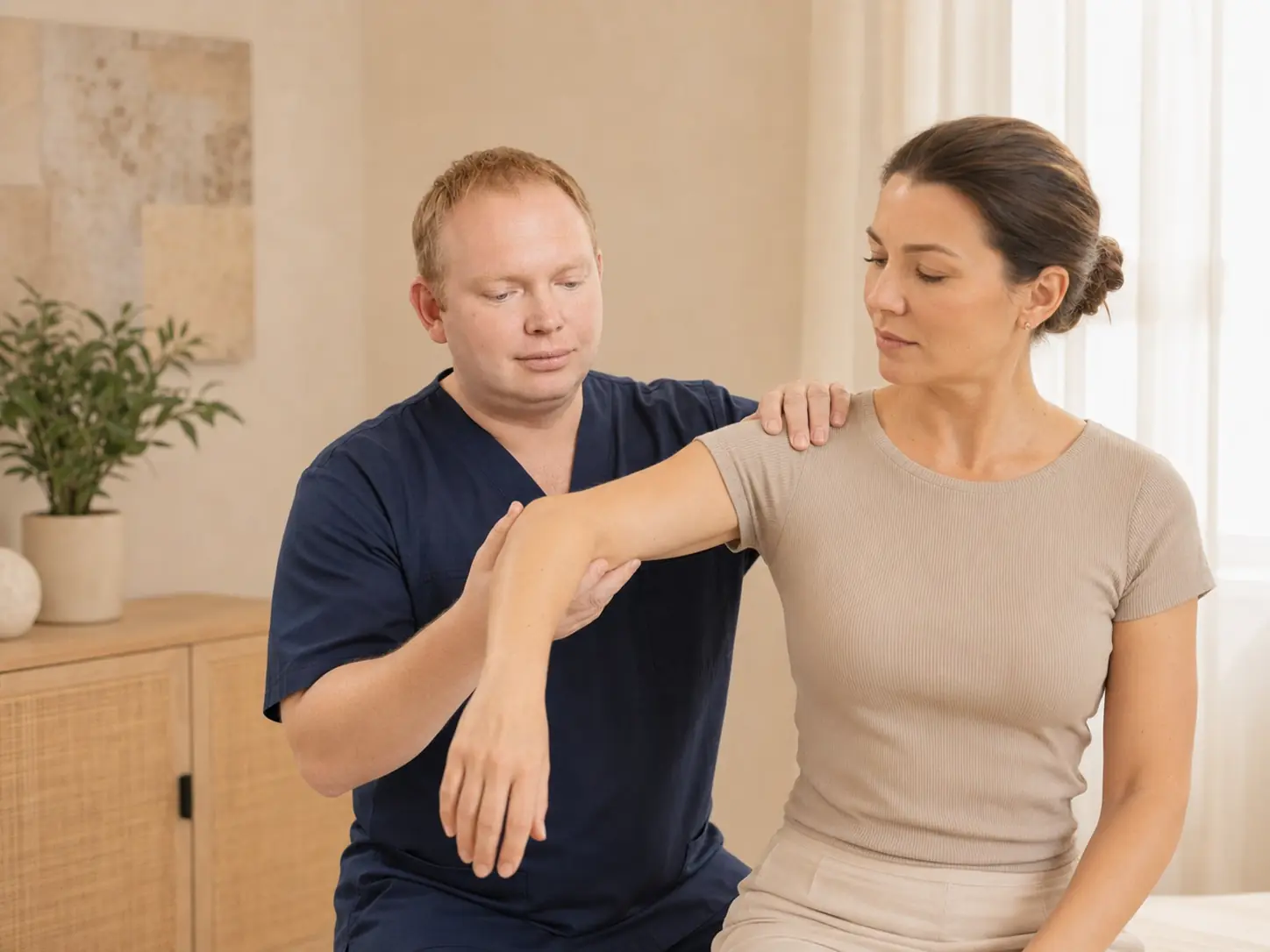
With an established diagnosis and no contraindications, gentle techniques and positioning guidance may be considered. For older children or adults, movement work is gradual and coordinated with primary care.

Reasons to consult

Common concerns

This list helps orientation but does not establish a diagnosis or confirm an indication for osteopathic care.

  • head persistently tilted or rotated to one side
  • a child consistently looks to one side
  • restricted neck rotation without acute trauma
  • asymmetry of head and shoulder position
  • need for safe positioning guidance

Initial consultation

How assessment works

Assessment and next steps depend on history, existing investigations and the condition on the day.

  1. 01

    Onset and relationship to birth, trauma, infection or medication.

  2. 02

    Age-appropriate medical examination, movement range and neurological signs.

  3. 03

    Determine need for paediatrics, orthopaedics, neurology, ophthalmology or imaging.

  4. 04

    A gentle plan, home positioning and a defined review interval.

Team approach

Practitioners who may help

Roles are kept distinct: medical diagnosis and treatment are not replaced by wellbeing or consultation practices.

Urgent care

Do not wait for a routine visit

Seek urgent medical care or call emergency services for:

  • !head tilt after trauma, especially with severe pain or weakness
  • !fever, drooling or difficulty swallowing or breathing
  • !sudden torticollis with visual, speech or coordination disturbance or seizure

Patient questions

Key questions

Can we stretch at home?+

Only after assessment and demonstration of a safe technique. Forceful head turning may cause harm.

Who should assess an infant?+

Start with a paediatrician. Depending on findings, orthopaedics, neurology, ophthalmology and an osteopathic physician as an adjunct may be appropriate.

How long does improvement take?+

This depends on diagnosis, age and progress. Timing and outcome cannot be guaranteed; lack of progress requires reassessment.

Have a question?

We will help you choose the right practitioner

Call the administrator or open Telegram or MAX. Please do not send medical records through public channels.

+7 (910) 395-29-70